

Why San Marcos Ground Is a Different Conversation Than Clay Soil
A lot of Central Texas flooring guidance focuses on expansive clay soil, which shrinks and swells with moisture and puts pressure on a foundation from underneath. San Marcos sits over a different kind of terrain, limestone bedrock that is part of the Edwards Aquifer recharge zone, where water moves through cracks, channels, and voids in the rock itself rather than causing the same shrink swell cycle clay soil does.
That distinction matters because the two conditions create different patterns of ground movement. Clay related movement tends to be gradual and seasonal, tracking rainfall and drought cycles. Limestone terrain in a recharge zone can behave more unevenly across a single lot, since water moving through the rock does not affect every point underneath a foundation the same way, which is part of why new construction on this kind of ground sometimes settles slightly differently from one corner of a slab to another.
What This Means for a New Build Rather Than an Older Home
New construction on San Marcos's limestone terrain typically settles somewhat during its first few years as the soil and slab reach equilibrium, which is a normal part of how a new foundation behaves rather than a sign of a construction defect. That settling period is exactly when hard, rigid flooring materials are most likely to show any movement in the substrate underneath them.
Homeowners building or buying new construction in this area are often surprised to learn that flooring decisions made in the first year can matter more than they would in an older, already settled home nearby. A stone tile installation planned with that early settling period in mind holds up differently than the same tile installed without accounting for it.
Grout Joints and Movement Joints Matter More Here
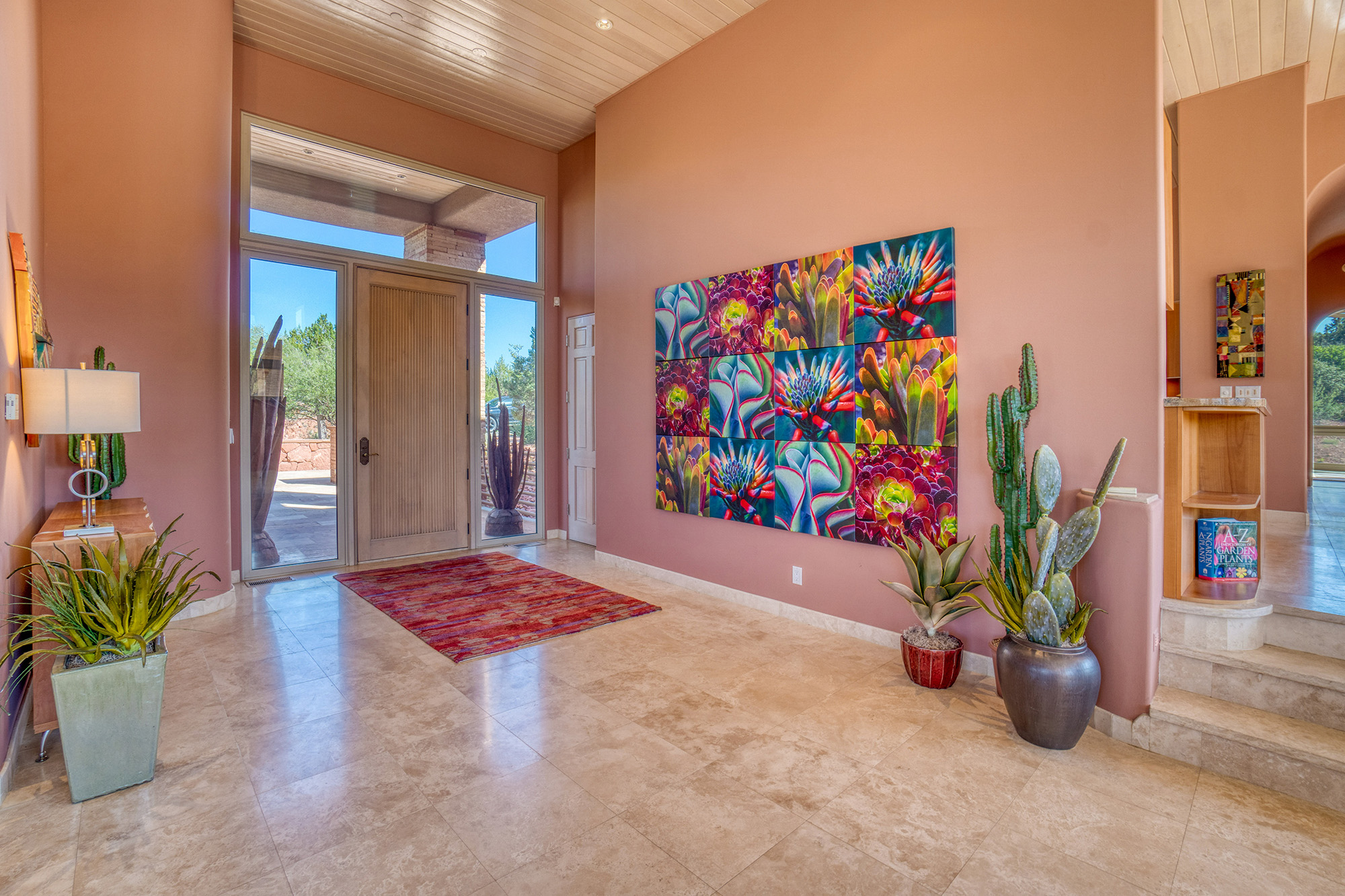
Wider grout joints and properly placed movement joints give a stone tile installation room to accommodate minor shifts in the substrate without transferring that stress directly into the tile itself. A rigid installation with tight joints and no expansion allowance is more likely to show cracking in a new build still settling than the same tile installed with appropriate joint spacing from the start.
Large format stone tile, while a popular look, is generally less forgiving of minor substrate movement than a smaller format tile is, simply because a bigger, more rigid piece has less ability to flex with tiny shifts underneath it. This is not a reason to avoid large format tile in a new San Marcos build, but it is a reason to talk through installation method and joint spacing with a specialist familiar with the tradeoff before finalizing tile size.
Getting the Installation Approach Right From the Start
An installer familiar with how new construction settles on this specific terrain can recommend an appropriate underlayment, joint width, and tile size based on how recently the home was built and where on the lot it sits. That conversation is worth having before tile is selected, not after, since some of these decisions affect which stone options are realistically a good fit for a still settling new build.
Floor King specialists at North Austin, South Austin, Georgetown, and San Marcos, TX can walk Austin, South Austin, Georgetown, Round Rock, Kyle, Leander, Sunset Valley, and Cedar Park, TX homeowners through stone and tile options suited to a new build's settling period, including joint spacing and format choices that account for San Marcos's specific ground conditions.
If you are choosing stone flooring for a new San Marcos home, understanding how this area's limestone terrain differs from typical Central Texas clay soil helps you make a more informed choice from the start. Floor King serves Austin, South Austin, Georgetown, Round Rock, Kyle, Leander, Sunset Valley, and Cedar Park, TX with a showroom at North Austin, South Austin, Georgetown, and San Marcos, TX, and our specialists can help you weigh stone and tile options suited to your specific property.
Ready to move forward? Contact us to schedule a showroom visit, or browse our natural stone selection online before you come in.


